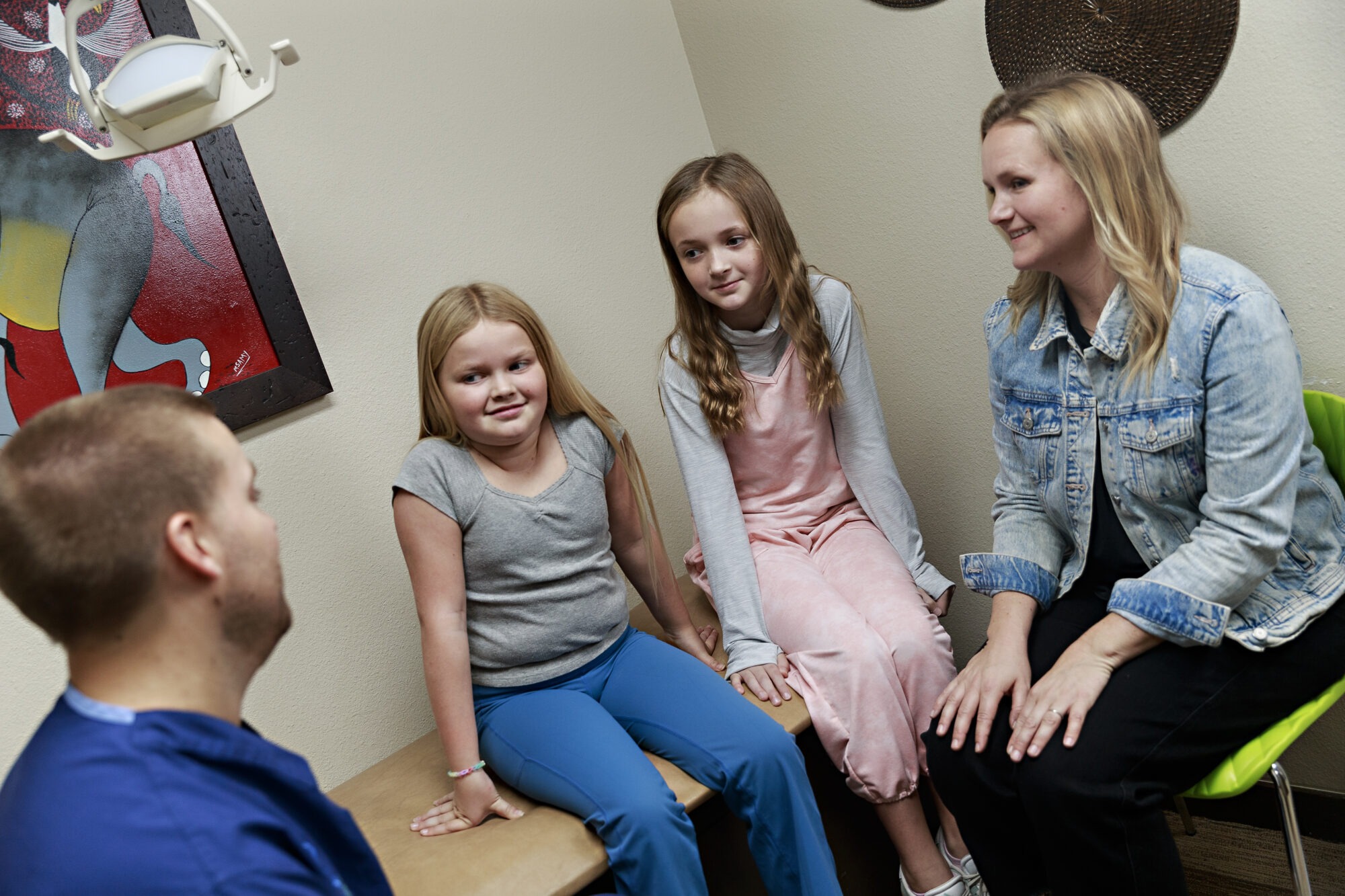
If the words “dental visit” send your kiddo into a meltdown, you’re not alone. Many families come to Northwest Arkansas Pediatric Dentistry wondering if there’s a gentler way to get through a filling or a longer procedure. Good news: there are several safe, kid-friendly options. This guide walks you through how sedation works, what’s safe, and how to decide what’s right for your child.

What Is Pediatric Sedation Dentistry?
Pediatric sedation dentistry is medication-assisted dental care that helps kids stay calm, still, and safe during treatment. It’s commonly used for anxious children, kids with special healthcare needs, very young patients, or kiddos who need more extensive smile solutions in a single visit. The goal is simple: quality care without a traumatic experience.
There’s an important difference to understand. Sedation puts your child into a relaxed state while they still breathe on their own and often respond to voice. General anesthesia, on the other hand, means your child is fully asleep and unaware.
At Northwest Arkansas Pediatric Dentistry, sedation is administered by trained pediatric dentists following the American Academy of Pediatric Dentistry (AAPD) guidelines. Dr. Jeff Ward and Dr. Brian Platt, together with the clinical team, use sedation as a tool, not a shortcut, so your child can get the dental care they need in a calm, controlled way.
Think of it this way: sedation isn’t about avoiding dentistry. It’s about making dentistry possible for kids who otherwise couldn’t tolerate it. For many families, that single shift opens the door to a healthier smile and a happier kiddo in the dental chair.
How Pediatric Sedation Works: Types and Levels
Not every kiddo needs the same level of relaxation. Pediatric sedation comes in several forms, each with its own purpose, onset time, and monitoring protocol. Our pediatric dentists match the method to your child’s age, health history, anxiety level, and treatment plan.
Here are the main options you’ll hear about:
Nitrous Oxide (Laughing Gas)
Nitrous oxide is the mildest option. Your child breathes it in through a small nose mask, and within a few minutes they feel calm, light, and often a little giggly. They stay fully awake and can respond to the team the whole time. Once the mask comes off, pure oxygen flushes the nitrous out of their system in about 5 minutes, so there’s essentially no recovery time.
This is a great fit for mild anxiety, routine fillings, or kids trying sedation for the first time.
Oral Conscious Sedation
Oral conscious sedation uses a flavored liquid medication taken by mouth before the visit. It typically takes 20 to 30 minutes to kick in and produces a deeper, drowsy relaxation. Your kiddo stays arousable, meaning they can respond if gently prompted, but they often doze or feel floaty throughout the procedure. Fasting beforehand is required.
Oral sedation works well for moderate anxiety or when several procedures are planned together.
IV Sedation
IV sedation delivers medication directly through a small catheter in a vein, allowing for deeper, more precise sedation. Onset is quick and the team can adjust the level throughout the visit. Continuous monitoring of heart rate, oxygen levels, blood pressure, and breathing is standard. IV sedation for pediatric dental cases is typically administered by a board-certified anesthesiologist or specially trained provider.
General Anesthesia
General anesthesia is the deepest level, where your child is fully asleep. It’s reserved for very extensive treatment, kids with significant special healthcare needs, or situations where other sedation options aren’t appropriate. This is always performed with a board-certified anesthesiologist and full hospital-grade monitoring.
Benefits of Sedation Dentistry for Children
Sedation isn’t just about comfort. It can actually shape how your child feels about dental care for the rest of their life. When used thoughtfully, it opens the door to better outcomes and a healthier smile.
Here’s what families often notice:
- Less anxiety, more cooperation. Kids with dental anxiety, sensory sensitivities, or past rough experiences can finally relax enough to receive care.
- Fewer visits. Multiple procedures, like several fillings or a crown plus an extraction, can often be completed in one appointment instead of three or four.
- Protection from lasting dental anxiety. A rough early experience can turn into a lifetime of avoidance. Sedation helps prevent that cycle.
- Safer, smoother treatment. When a child isn’t squirming or startled, the dental team can work more precisely and efficiently.
- Better care for the youngest kiddos. Toddlers and preschoolers who physically can’t sit still for 45 minutes get the smile solutions they need without a wrestling match.
- Positive long-term associations. When a visit goes well, kids build confidence instead of dread. That makes every future dental exam easier.
For families with kids who have autism, ADHD, or sensory processing differences, sedation can be the difference between regular preventive care and avoiding the office altogether. Dr. Ward and Dr. Platt take time to understand your child’s unique needs before recommending anything, and the team follows up with parents so you always know what to expect.
Comparing Sedation Options: Which Is Right for Your Child?
Choosing the right sedation level depends on your child’s age, medical history, anxiety level, and how much dental work is needed. Use this table as a starting point, then talk through specifics with the pediatric dentist.
| Sedation Type | Depth | Onset | Recovery | Best Use Case | Fasting Required |
|---|---|---|---|---|---|
| Nitrous Oxide | Mild, awake | 3-5 minutes | About 5 minutes | Minor procedures, mild anxiety | Usually no (light meal okay) |
| Oral Conscious | Moderate, drowsy | 20-30 minutes | Several hours | Moderate treatment, moderate anxiety | Yes |
| IV Sedation | Deep, minimally responsive | Within minutes | Several hours, monitored | Extensive work, higher anxiety, special needs | Strict fasting |
| General Anesthesia | Fully asleep | Within minutes | Longer, full monitoring | Very extensive treatment, complex cases | Strict fasting |
A few things to keep in mind as you look this over:
- Age matters. Younger kids often do better with nitrous for simple visits and oral or deeper sedation for bigger treatment plans.
- Health history matters more. A recent cold, asthma flare, or certain medications can shift the recommendation.
- Treatment scope drives the decision. One small filling rarely needs deep sedation. A full-mouth restorative plan might.
Our pediatric dentists will explain why they’re recommending a certain option so you never feel left in the dark. Ask as many questions as you need. There are no silly ones.
Insurance and Payment Considerations for Pediatric Sedation
Every child’s sedation plan is different, so the best way to understand coverage and payment is to ask before your visit. A few things to keep in mind:
- Insurance coverage varies widely. Some plans cover sedation when it’s medically necessary (for example, for a child with special healthcare needs or very extensive treatment). Others cover only nitrous oxide, or none at all. Call your insurance ahead of time if you want a clear answer.
- The type of sedation and the length of the visit matter. The method used and the amount of treatment planned can both affect what your plan covers.
At Northwest Arkansas Pediatric Dentistry, the team can walk you through coverage and payment options once Dr. Ward or Dr. Platt has reviewed your child’s needs. Just ask when you schedule, and we’ll explain what to expect.
Is Your Child a Good Candidate for Sedation?
Not every kiddo needs sedation, and not every kiddo is a candidate for every type. The pediatric dentist reviews your child’s full health history and behavior before recommending any option. Safety always comes first.
Your child may be a strong candidate for sedation if they:
- Have significant dental anxiety or a past traumatic dental experience
- Have special healthcare needs, autism, or sensory sensitivities that make sitting still difficult
- Are very young and need extensive restorative work in one visit
- Have a strong gag reflex
- Can’t physically stay still long enough for safe treatment
- Need multiple procedures that would otherwise require many separate visits
Before any sedation visit, our team at Northwest Arkansas Pediatric Dentistry will ask detailed questions about current health. A cold, congestion, asthma flare-up, or certain medications can temporarily delay sedation, and that’s a safety call, not an inconvenience. Please share updates honestly so we can keep your kiddo safe.
If sedation isn’t the right fit, Dr. Ward and Dr. Platt will talk through alternatives like behavior guidance techniques, shorter appointment windows, or a gradual desensitization approach. Every kiddo is different, and sometimes a slower-paced plan is exactly what works.
Frequently Asked Questions About Pediatric Sedation
Is pediatric dental sedation safe?
Short answer: yes. When performed by trained providers following AAPD guidelines, pediatric sedation has a strong safety record. Pediatric dentists like Dr. Ward and Dr. Platt complete extra training in sedation, and continuous monitoring of vital signs is standard throughout the visit. Safety protocols include a pre-sedation health review, appropriate medication dosing based on weight and age, and emergency preparedness at every visit.
Why must my child fast before sedation?
Fasting lowers the risk of aspiration, which is when stomach contents enter the airway during sedation. An empty stomach keeps the airway protected. Your care team will give you exact fasting instructions based on the type of sedation planned, usually no solid food for 6-8 hours and no clear liquids for a shorter window before the visit.
Can I stay with my child during the procedure?
Policies vary by sedation type and practice. For nitrous oxide, parents can often stay in the room. For deeper sedation or general anesthesia, the team typically asks parents to wait in a comfortable area so the clinical team can focus fully on your child’s safety. Ask about specific policies when you schedule.
How long will recovery take and when can my child eat?
Recovery time depends on the sedation used. Nitrous oxide wears off in minutes. Oral conscious sedation can leave kids drowsy for several hours. For food, start with clear liquids, then soft foods once your child is fully alert and able to swallow safely. The team will send you home with specific after-visit instructions.
Will my child remember the procedure?
With nitrous oxide, most kids remember the visit but describe it as pleasant or dreamy. With oral or IV sedation, memory is often fuzzy or absent for parts of the visit, which is actually helpful for anxious kiddos because it prevents negative associations from forming.
What should my child wear and what should I bring?
Dress your child in loose, comfortable clothing with short sleeves so monitoring equipment can be placed easily. Bring a favorite stuffed animal or blanket for comfort, a car seat if your child is still rear-facing (drowsy kids need extra support on the ride home), and any required paperwork. Plan for one parent to drive and one to sit with your child after the visit.
Sedation dentistry can be the key to a calm, safe visit for kids who need a little extra support. If you’re weighing options for your child, Dr. Jeff Ward and Dr. Brian Platt and the team at Northwest Arkansas Pediatric Dentistry are here to help you think it through. Reach out to the Fayetteville office at (479) 442-6995 or schedule online to start the conversation. Your child deserves to smile, and we treat your children like one of our own.