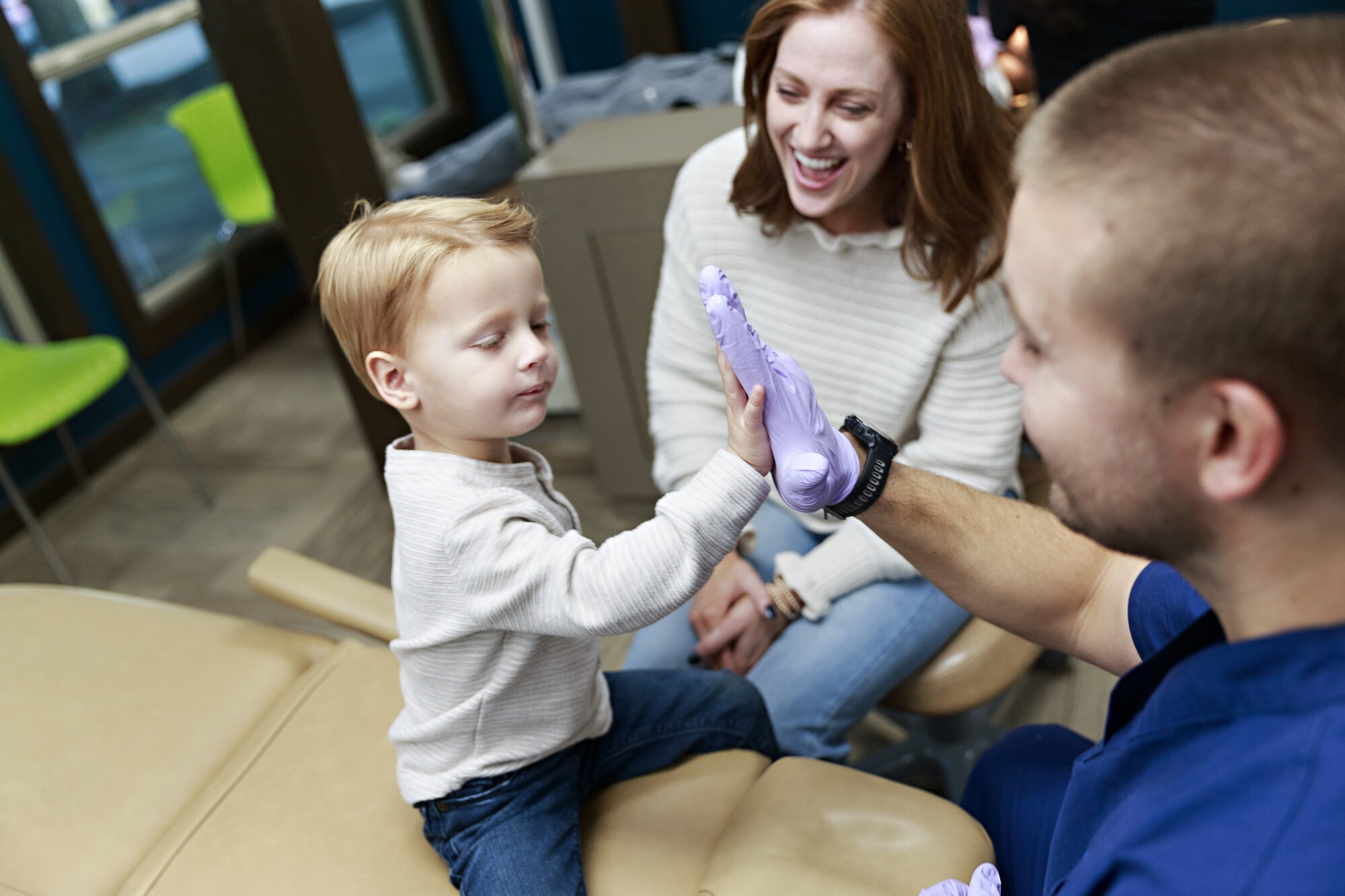
Every parent wants their child to grow up healthy, confident, and smiling. The foundation for that starts earlier than most families realize, often before the first birthday. This guide walks you through everything you need to know about preventive pediatric dental care, from what happens at a visit to how to protect your child’s smile between checkups.
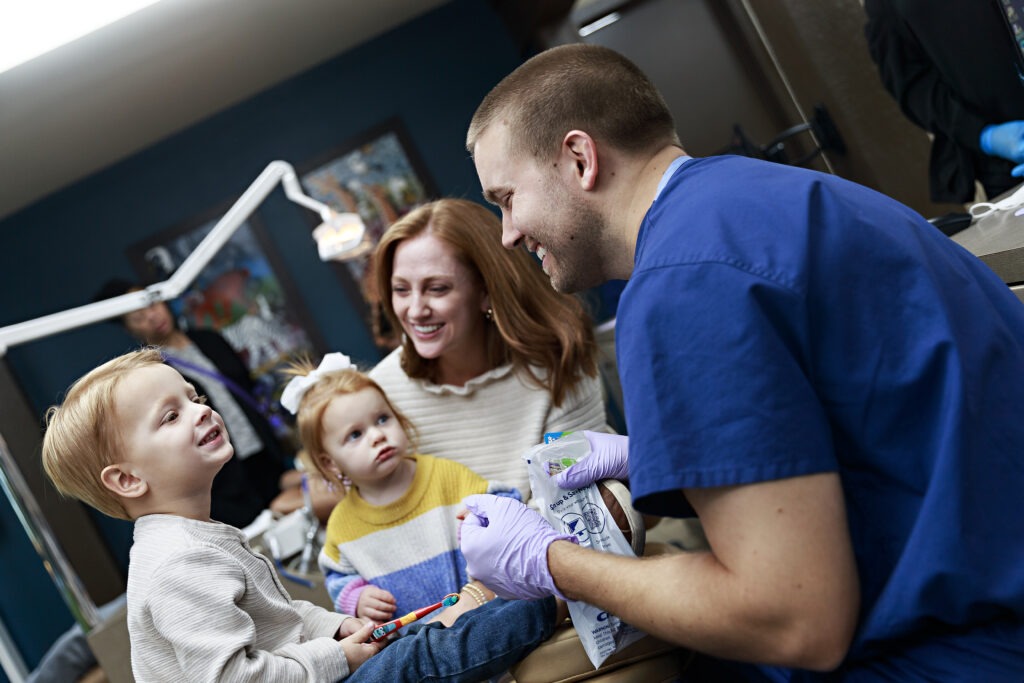
At Northwest Arkansas Pediatric Dentistry, we treat your children like one of our own. Dr. Jeff Ward and Dr. Brian Platt built a kid-centric office because kids deserve care designed just for them, from the very first tooth all the way through the teen years.
What Is Preventive Pediatric Dental Care?
Preventive pediatric dental care is the routine care that stops cavities, gum problems, and bite issues before they start. It includes professional cleanings, dental exams, fluoride varnish, sealants, X-rays when needed, and at-home hygiene coaching for both parents and kiddos. The goal is simple: protect baby and permanent smiles at every stage of growth.
The American Academy of Pediatric Dentistry recommends the first visit by age 1 or within six months of the first tooth erupting. Starting that early sets your child up for success and helps them feel comfortable in a dental setting long before any treatment is ever needed.
Preventive care isn’t one-size-fits-all. Dr. Ward and Dr. Platt at Northwest Arkansas Pediatric Dentistry tailor each personalized treatment plan to your child’s age, risk level, and developmental stage. A toddler getting a first cleaning has very different needs than a nine-year-old with new molars or a teen in braces.
Here’s what’s typically included:
- Professional cleaning and polishing
- Complete dental exam
- Fluoride varnish
- Sealants on molars when appropriate
- Digital X-rays as needed
- One-on-one home-care coaching for parents and kids
How Preventive Pediatric Dental Visits Work
A preventive visit at our kid-centric office follows a predictable, gentle rhythm. Kids know what to expect, and so do you. Most families come in every six months, which aligns with the AAPD’s standard recall recommendation and helps us catch small issues before they grow.
Here’s how a typical visit unfolds:
- Complete exam and dental history review. Dr. Ward or Dr. Platt looks at your child’s smile, jaw development, and soft tissues. We review medical history, growth, and any concerns you’ve noticed at home.
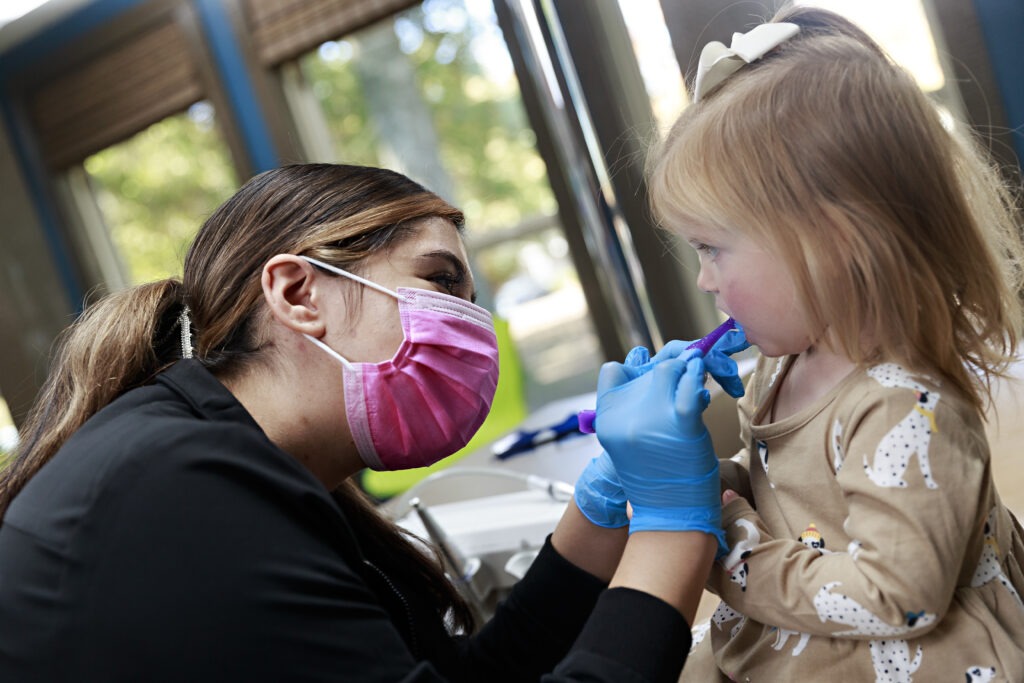
- Gentle professional cleaning. Our hygienists remove plaque and tartar using kid-friendly tools. We explain everything in child-friendly language so your kiddo feels involved, not surprised.
- Fluoride varnish application. A quick brush-on treatment strengthens enamel and helps prevent decay. It sets fast and tastes pleasant.
- Sealants when appropriate. For kids with newly erupted molars, sealants add a protective layer over the chewing surfaces where cavities most often start.
- X-rays as needed. Digital X-rays use very low radiation and help us spot decay between smiles or check on developing permanent teeth.
- Personalized home-care plan. Before you leave, we go over brushing techniques, flossing tips, diet, and anything specific to your child’s risk profile.
Visits usually last 30 to 45 minutes. First-time kiddos often get a quick tour of the kid-centric office, meet the team, and count their smiles in the chair. No pressure, no rush.
Benefits of Preventive Pediatric Dentistry
The advantages of consistent preventive care go well beyond cavity-free checkups. Regular visits protect your child’s health, save your family money, and shape how your kiddo feels about the dentist for the rest of their life.
How Does Prevention Reduce Cavities and Restorative Work?
Kids who get regular cleanings, fluoride treatments, and sealants develop far fewer cavities than kids who don’t. Studies from the CDC show that dental sealants substantially reduce the risk of decay in molars where they are placed. In practical terms, that means fewer fillings, fewer crowns, and fewer emergency visits over the course of childhood.
Why Do Early Visits Build Lifelong Comfort?
When a child’s first experiences at the dentist are friendly and fun, they carry that comfort into adulthood. Anxiety often stems from unfamiliar or stressful early visits, so starting young in a kid-centric office makes a huge difference. Kids who grow up in a welcoming environment tend to keep up with regular care as adults.
What Can a Pediatric Dentist Catch Early?
Dr. Ward and Dr. Platt watch for more than cavities. Regular exams help catch:
- Bite and alignment concerns that may need orthodontic input
- Lip-tie or tongue-tie issues affecting feeding or speech
- Enamel defects on developing permanent smiles
- Habits like thumb-sucking that can shift tooth position
How Does Oral Health Support Speech, Nutrition, and Confidence?
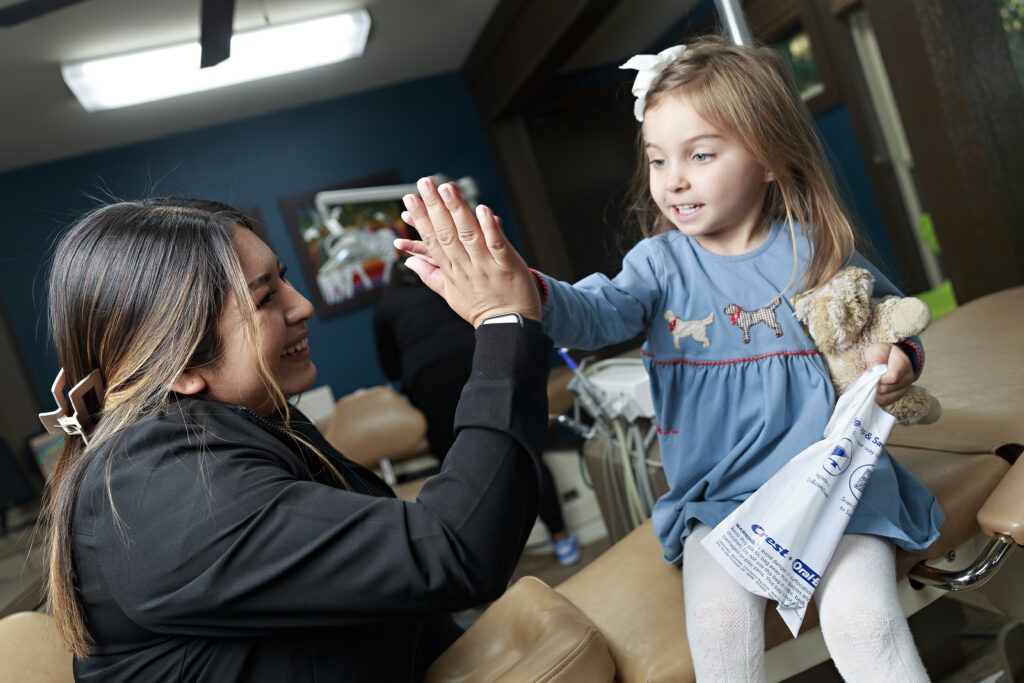
Healthy smiles help kids chew, speak clearly, and smile without hesitation. Untreated dental problems can affect everything from school performance to self-esteem. A child who is comfortable with their smile is more likely to participate in class, make friends easily, and enjoy meals without difficulty.
Does Preventive Care Really Save Families Money?
Preventive care costs a fraction of restorative treatment. A cleaning and fluoride visit is far less expensive than a pulpotomy, crown, or sedation visit. Preventing decay also means fewer missed school days and fewer stressful emergency calls. Over the years, those savings really add up for busy families.
What Kind of Partnership Should Parents Expect?
Preventive visits keep you in the loop about your child’s oral development. You leave every visit knowing exactly how to keep your kid’s smile in shape until next time. That ongoing partnership is one of the biggest advantages of choosing a dedicated pediatric practice.
Pediatric Dentist vs. Family Dentist for Kids
Both pediatric and family dentists can see children, but the training, environment, and experience differ significantly. Understanding the difference helps you choose the right fit for your kiddo.
Pediatric dentists complete an additional two to three years of specialty residency after dental school. That training focuses entirely on infants, children, teens, and kids with special healthcare needs. Both Dr. Ward and Dr. Platt bring specialty pediatric training and years of experience caring for kids of every age and stage.
Here’s how the two options compare:
| Feature | Pediatric Dentist | Family Dentist |
|---|---|---|
| Specialty training | 2-3 additional years focused on kids | General dental school only |
| Office environment | Designed for kids, colorful, kid-friendly | Adult-focused, mixed setting |
| Behavior guidance training | Extensive | Limited |
| Sedation options for kids | Yes, when appropriate | Often referred out |
| Special healthcare needs experience | High | Varies |
| Age range served | Infants through teens | All ages |
| Growth and development monitoring | Specialized focus | General |
For families across Northwest Arkansas, a pediatric dentist offers care built around how kids actually experience the world. At Northwest Arkansas Pediatric Dentistry, everything from the waiting area to the language we use is designed to reduce anxiety and build trust.
Cost of Preventive Pediatric Dental Care
Preventive care is one of the most affordable investments you can make in your child’s health. A routine cleaning and dental exam typically ranges from about $75 to $200 without insurance, depending on the child’s age and what’s included. Fluoride treatments usually run $20 to $50, and sealants are often $30 to $60 per tooth.
Here’s the good news for most families:
- Private insurance typically covers preventive care at 100%, including cleanings, exams, fluoride, and often sealants.
- Arkansas Medicaid and ARKids cover children’s preventive dental services, including routine visits and protective treatments.
- CHIP provides dental coverage for eligible kids.
- Payment plans and in-office membership options are commonly available for families without insurance.
Compare those numbers to restorative care. A single filling can run several hundred dollars, and treatments involving sedation or crowns can climb much higher. Consistent preventive visits are almost always the least expensive path forward.
Our team is happy to walk you through your specific coverage and cost estimates before any visit, so there are no surprises.
Is Your Child a Candidate for Preventive Care?
The short answer: yes. Every child benefits from preventive dental care starting with that very first tooth or the first birthday, whichever comes first. Preventive care isn’t reserved for kids with problems. It’s what keeps problems from happening in the first place.
Certain kiddos benefit from a more customized preventive schedule:
- Higher cavity risk. Kids with a history of decay, certain diet patterns, or family history may need more frequent fluoride and check-ins.
- Special healthcare needs. Pediatric offices are equipped to serve kids with medical, developmental, or sensory considerations. We adapt every visit to meet your child where they are.
- Braces or orthodontic appliances. Teens with braces need enhanced cleanings and coaching to protect enamel around brackets.
- Signs it’s time to schedule now. Visible white or brown spots on smiles, complaints of tooth sensitivity, chipped teeth, delayed tooth eruption, or a gap of more than six months since the last visit are all reasons to book a visit.
If you’re not sure whether your child is on track, that’s exactly what a preventive visit is for. Dr. Ward and Dr. Platt will give you a clear picture of where your kiddo stands and what to do next, with practical steps you can put into practice at home right away.
Frequently Asked Questions
At what age should my child first see a dentist?
The American Academy of Pediatric Dentistry recommends the first dental visit by age 1 or within six months of the first tooth appearing. Early visits let us catch issues before they grow and help your child feel at home in a dental setting. It’s also a great chance for parents to get personalized advice on brushing, feeding, and habits like pacifier use. Starting early builds a foundation of trust that pays off for years to come.
Is fluoride safe for children?
Yes. In the small doses used during professional fluoride varnish and in appropriate toothpaste amounts, fluoride is both safe and highly effective at strengthening enamel and preventing cavities. Major health organizations, including the AAPD, ADA, and CDC, all endorse fluoride use in children. Dr. Ward and Dr. Platt will tailor fluoride recommendations to your child’s age, cavity risk, and water source.
How often do kids need dental checkups?
Most children need a dental exam and professional cleaning every six months. This schedule allows us to monitor growth, remove plaque buildup, apply fluoride, and catch small concerns early. Kids with higher cavity risk, orthodontic appliances, or special healthcare needs may benefit from more frequent visits, and we’ll always let you know what makes sense for your family.
Are dental sealants worth it?
Absolutely. Sealants are a quick, non-invasive protective coating placed on the chewing surfaces of back molars, where most childhood cavities begin. Research from the CDC shows sealants meaningfully reduce decay in the molars where they’re placed. For most kids, sealants are one of the highest-value preventive services available, and the application takes just minutes per tooth.
How do I prepare my child for their first visit?
Keep it positive and low-pressure. Read a kid-friendly book about visiting the dentist, use upbeat language, and avoid words that might create anxiety. Schedule the visit for a time when your child is well-rested. Our team takes it from there, using kid-friendly explanations, gentle pacing, and lots of encouragement to make the visit feel more like an adventure than a chore.
What should I do in a pediatric dental emergency?
Call us right away. For a knocked-out permanent tooth, keep it moist (in milk or saliva) and get to the office as quickly as possible. For chipped smiles, swelling, or persistent tooth soreness, contact our team for guidance. Northwest Arkansas Pediatric Dentistry provides emergency care for our families, and Dr. Ward and Dr. Platt will help you know exactly what to do next so you feel confident during a stressful moment.