
Choosing the right dentist for your kiddo is one of the most important health decisions you’ll make as a parent. If you’re learning how to choose a pediatric dentist for your family, the good news is that a few key signals (board certification, specialty training, and a kid-centric office vibe) can quickly tell you whether a practice is the right fit. At Northwest Arkansas Pediatric Dentistry, Dr. Jeff Ward and Dr. Brian Platt have built a family-oriented practice around one simple idea: we treat your children like one of our own.
This guide walks you through everything you need to know, from credentials to coverage, so you can feel confident about the decision ahead. We’ll cover what makes a pediatric specialist different, how to vet a practice, what questions to ask, and how to understand insurance coverage without the guesswork.
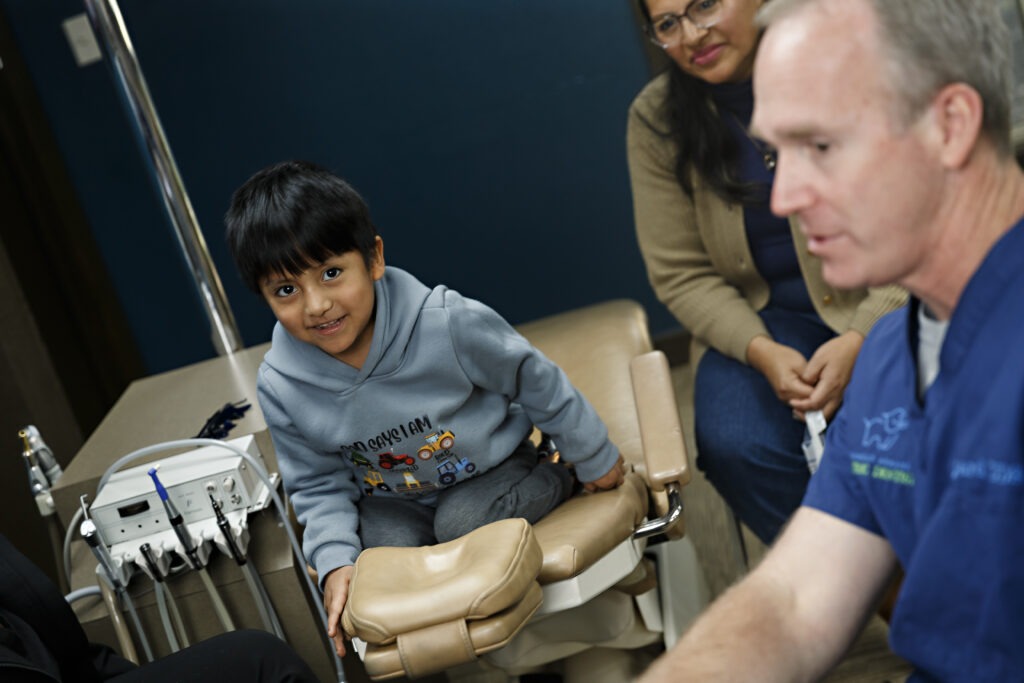
What Is a Pediatric Dentist (and Why It Matters)?
A pediatric dentist (sometimes called a pedodontist) is a dental specialist who completes 2-3 extra years of residency training beyond dental school, focused entirely on infants, kids, teens, and children with special healthcare needs. That extra training covers child psychology, growth and development, behavior guidance, and specialty techniques you simply won’t find in a general dental program.
Board certification matters too. The American Board of Pediatric Dentistry (ABPD) grants certification only to pediatric dentists who pass rigorous written and oral exams. A board-certified pediatric dentist (like Dr. Brian Platt) has proven their expertise at the highest level of the specialty.
So what’s the difference between a pediatric dentist and a family or general dentist? It comes down to three things:
- Training: Specialists spend years focused only on kids.
- Equipment: Tools, chairs, and imaging are sized for small smiles.
- Behavior management: Pediatric dentists are trained to ease anxiety, not add to it.
The American Academy of Pediatric Dentistry (AAPD) recommends that every child have a first dental visit by age 1 or within six months of their first tooth erupting. Starting early sets your child up for a lifetime of healthy smiles and gives parents a trusted guide for every milestone that follows.
How to Choose a Pediatric Dentist: Step-by-Step
Finding the right pediatric dentist doesn’t have to be overwhelming. Here’s a simple step-by-step process that works for most families.
- Ask your pediatrician and local parents for referrals. Your child’s pediatrician often knows which offices get consistent praise. Local parent groups on Facebook and neighborhood apps are another gold mine for honest recommendations.
- Verify board certification and state licensure online. Look up the dentist on the ABPD website and your state dental board. Board certification is a strong signal of specialty expertise, and licensure confirms they’re in good standing.
- Read Google and Healthgrades reviews, and look for patterns. One glowing or grumpy review doesn’t tell the whole story. Instead, scan 20-30 reviews and look for consistent themes around communication, wait times, child comfort, and staff warmth.
- Confirm insurance acceptance. Call the office and ask if they accept your plan, including state Medicaid programs and common private plans like Delta Dental or BCBS.
- Schedule a meet-and-greet consultation. Many kid-centric offices welcome a quick tour before you commit. Bring your child along so they can see the space, meet the team, and get comfortable.
- Observe the office environment. Is the waiting area kid-friendly? Do the front-desk staff greet your child by name? Does the clinical team get down on their level to talk? These small cues speak volumes.
A quick pro tip: ask the office how they handle anxious kids or first-time visitors. A great pediatric practice will have a clear, patient answer ready.
Key Qualities of a Great Pediatric Dentist
Not every children’s dentist offers the same experience. When you’re evaluating options, keep these qualities at the top of your checklist.
What specialized training should a pediatric dentist have?
Pediatric dentists learn techniques like tell-show-do, positive reinforcement, and age-appropriate language. These approaches help kids feel safe and in control during every visit. Look for specialists who complete the full 2-3 year residency and maintain active continuing education in child behavior, sedation safety, and growth and development.
What services should a kid-centric office offer?
The best kids dentist in your area should offer preventive care, restorative treatment, sedation dentistry, laser frenectomy for lip-tie and tongue-tie, and pediatric dental emergency care. Having everything in one kid-centric office means fewer referrals and less stress for your family. A full range of services under one roof also means your child gets to know one familiar team instead of being handed off from place to place.
Other must-have qualities include:
- A kid-centric office design. Think bright colors, play areas, ceiling TVs, prize towers, and toothbrush-shaped everything. A welcoming space turns a routine visit into something your child actually looks forward to.
- Experience with special needs patients. Sensory-friendly accommodations, extended visit times, and staff trained in adaptive communication make a huge difference for kids who need extra support.
- Gentle, patient-centered communication. Watch how the dentist talks to your child, not just to you. A great pediatric dentist explains things in words a kid can understand and never rushes through a visit.
- Emphasis on prevention and parent education. Beyond professional cleaning and dental exams, your pediatric dentist should coach you on brushing techniques, diet, fluoride, and habits like thumb-sucking.
At Northwest Arkansas Pediatric Dentistry, Dr. Ward and Dr. Platt and their team built the practice around these principles. From sensory-friendly accommodations to the full lineup of smile solutions, every detail is designed to set your child up for success.
Pediatric Dentist vs. Family Dentist: Which Is Right for Your Child?
Both pediatric and family dentists can clean smiles, but there are real differences in training, focus, and capability. Here’s a quick comparison.
| Feature | Pediatric Dentist | Family Dentist |
|---|---|---|
| Extra training beyond dental school | 2-3 years of pediatric residency | None required |
| Patient age focus | Infants through age 18 | All ages |
| Sedation options for kids | Full range, specialty-trained | Limited or referral out |
| Specialty equipment sized for kids | Yes | Usually adult-sized |
| Behavior management training | Extensive | Minimal |
| Special needs experience | Core part of training | Varies by provider |
When a pediatric dentist is essential:
- Your child has anxiety about dental visits
- Your kiddo has special healthcare needs or developmental differences
- Complex restorative work is needed (crowns, pulpotomy, multiple fillings)
- Laser frenectomy for lip-tie or tongue-tie is on the table
- Your child is very young (infant through early elementary)
When a family dentist may work:
- Older teens with routine preventive needs
- Families who strongly prefer one office for everyone
For most kids (especially during the formative years when habits and attitudes about dental care are forming), a specialist like Dr. Ward or Dr. Platt offers real advantages. Board-certified pediatric training, kid-sized equipment, and a team that genuinely loves working with kiddos add up to a better experience.
Insurance and Payment Considerations
Pediatric dental costs vary by region, provider, and the specific treatment needed, so the best move is to call the office and ask for an estimate before your visit.
Here’s what most families should know about coverage:
- Common insurance plans: Delta Dental, MetLife, BCBS, and Cigna are widely accepted. Always call ahead to confirm your specific plan and benefits.
- State Medicaid programs: Many pediatric dentists accept state Medicaid for eligible kids, which typically covers routine and restorative care. Ask the office directly when you call.
- Membership plans and financing: If you’re uninsured, ask about in-house membership plans or third-party financing options like CareCredit.
- Preventive visits are key. Twice-yearly dental exams and cleanings are usually fully covered and catch small issues before they become big ones.
When Should Your Child See a Pediatric Dentist?
The AAPD recommends a first dental visit by age 1 or within six months of the first tooth coming in. Early visits aren’t just about counting teeth. They build trust, catch issues early, and give you expert guidance on feeding, brushing, and habits like pacifier use.
You should also consider a pediatric specialist if:
- Your child has dental anxiety and needs a gentle, specialty-trained approach
- Your kiddo has special healthcare needs or developmental differences
- Restorative work, sedation, or lip-tie/tongue-tie evaluation is needed
- You want continuity of care through the teen years (pediatric dentists treat kids through age 18)
Signs it might be time to switch dentists:
- Your child’s anxiety is getting worse, not better, after multiple visits
- The office rushes visits or doesn’t explain treatment clearly
- Communication with parents feels dismissive or hurried
- You notice inconsistent hygiene standards or outdated equipment
- The dentist isn’t board-certified or specialty-trained for kids
Trust your gut. If something feels off, it’s worth exploring other options to find a practice that truly fits your family’s needs and your child’s temperament.

Frequently Asked Questions
What is a children’s dentist called?
A children’s dentist is called a pediatric dentist or, more formally, a pedodontist. Pediatric dentists complete 2-3 years of extra residency training beyond dental school, focused entirely on treating infants, kids, teens, and children with special healthcare needs.
How much does a pediatric dentist typically cost?
Costs vary by region, provider, and the treatment your child needs. Most dental insurance plans cover preventive care at 100%, so your out-of-pocket for twice-yearly visits is often very low. Call your chosen office for a personalized estimate.
What is a red flag for a dentist?
Red flags include high-pressure sales tactics for treatments, unclear explanations of costs and payment options, poor office hygiene, visits that feel rushed, no board certification or specialty training, and dentists who ignore or dismiss your questions. A trustworthy pediatric dentist takes time, explains options clearly, and never pushes unnecessary treatment.
What is the rule of 7 in pediatric dentistry?
The rule of 7 refers to the American Association of Orthodontists’ recommendation that every child receive an orthodontic screening by age 7. By this age, enough permanent teeth have come in that an orthodontist (or your pediatric dentist) can spot bite problems early, when they’re easiest to guide.
At what age should my child first see a pediatric dentist?
Your child should see a pediatric dentist by age 1 or within six months of their first tooth coming in, whichever happens first. This AAPD guideline helps establish a dental home early, giving parents expert guidance on brushing, diet, and habits before problems develop.
Do pediatric dentists accept Medicaid?
Many pediatric dentists accept state Medicaid programs for eligible kids. Coverage typically includes preventive, restorative, and emergency care. Call ahead to confirm current acceptance and to verify your child’s benefits before scheduling a visit.
Choosing a pediatric dentist is a big decision, and the right fit will support your child’s smile for years to come. Take your time, tour a few offices, ask plenty of questions, and lean on the trusted parents in your circle for honest input. The right kid-centric office will make every visit feel welcoming and set your child up for a lifetime of healthy, confident smiles.